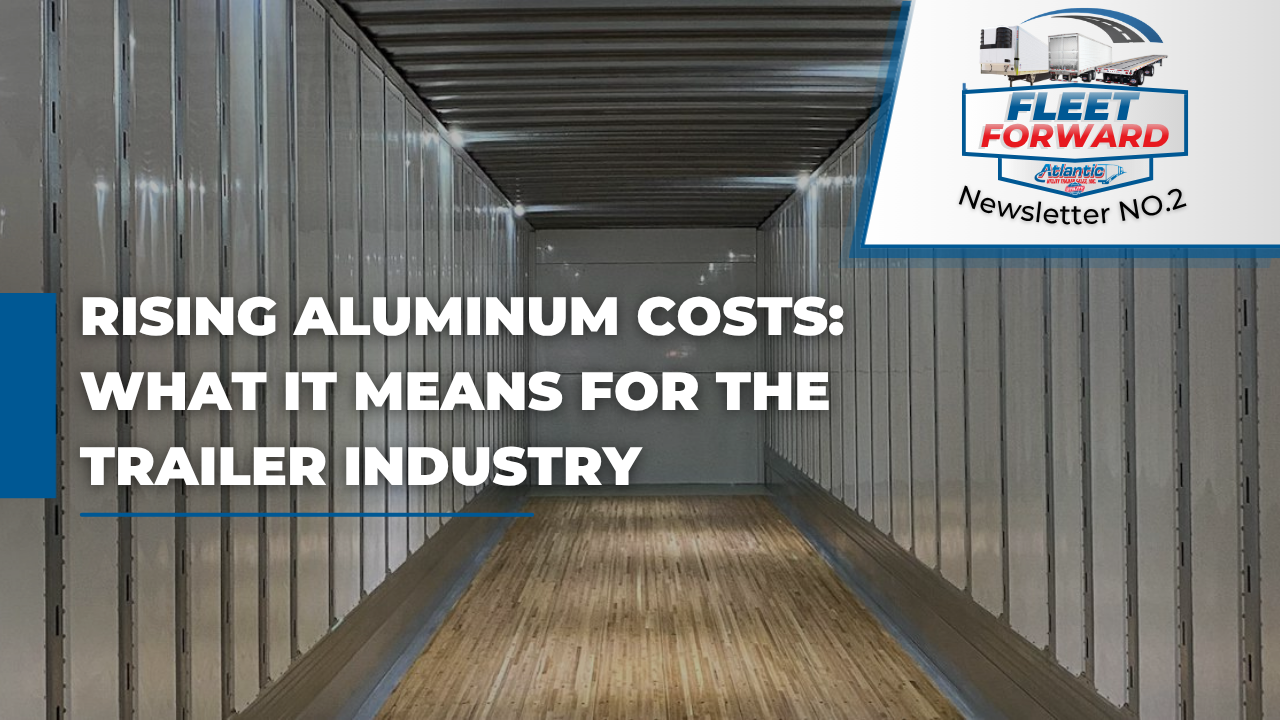
Aluminum prices have been rising, and combined with ongoing tariffs, they continue to place added pressure on the semi-trailer industry. Because aluminum is a core material in trailer manufacturing, these cost increases are directly influencing how trailers are priced, produced, and delivered to market.
Tariffs on imported aluminum have contributed to higher overall material costs by limiting supply flexibility and increasing the baseline cost of production inputs. Even domestic aluminum pricing is impacted as global market conditions and demand constraints continue to shift.
For manufacturers, this creates ongoing challenges. Aluminum is used across critical trailer components including roofs, side panels, and structural elements. As material costs increase, production expenses follow, leading manufacturers to adjust pricing more frequently to maintain stability across their operations. These adjustments are then reflected throughout the supply chain.
As a result, trailer pricing across the industry has become more dynamic. Dealers are seeing more frequent price updates, and quote validity windows have shortened compared to previous market conditions. This adds complexity to the sales process and makes long-term pricing commitments more difficult to maintain.
Tariffs and rising material costs are also influencing production planning. Manufacturers may adjust build schedules, prioritize certain configurations, or shift production based on material availability and cost exposure. This can result in longer lead times and less predictability in available inventory.
For fleets, the impact is direct. The cost of new trailer acquisition has increased, and pricing volatility adds additional challenges to budgeting and long-term planning. As a result, flexibility and timing have become increasingly important factors in fleet purchasing decisions.
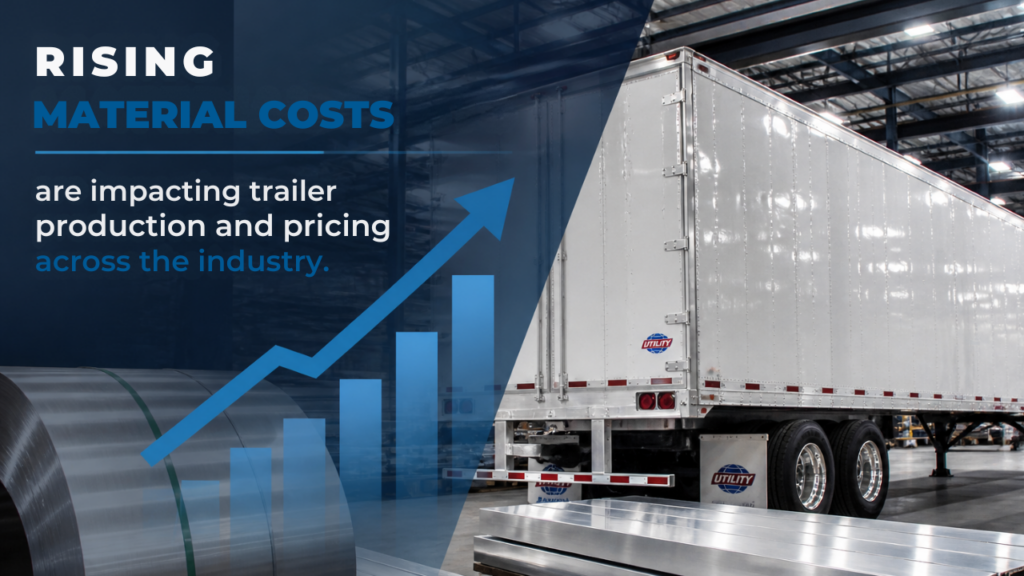
Across the industry, rising aluminum costs and tariff pressures continue to shape how trailers are built, priced, and delivered. As a Utility dealer, we remain focused on keeping fleets informed with current market conditions, maintaining visibility on availability, and supporting confident equipment decisions in a changing environment.
Published By: Marina Ibrahim, Marketing Coordinator